Alcohol Slang Names are informal words or nicknames people use in everyday conversations and online to refer to alcoholic drinks or alcohol in general.
Alcohol slang names are informal words and nicknames people use to refer to alcoholic drinks in conversations, text messages, social media, movies, and music.
Many people search for these terms after hearing words like booze, hooch, brew, liquor, or sauce and wondering what they mean. While some slang names are widely recognized, others are regional or used by specific groups.
Understanding alcohol slang can help you follow casual conversations and popular culture without confusion.
However, it’s also important to know when these terms are appropriate and when it’s better to use standard language.
Quick Answer
Alcohol slang names are casual nicknames used to describe alcoholic beverages. Common examples include booze, hooch, brew, sauce, spirits, and liquor, all referring to alcohol in different contexts.
What Do Alcohol Slang Names Mean in Text?
When people search for alcohol slang names meaning in text, they usually want to understand informal words that appear in messages or online conversations.
Unlike internet abbreviations, alcohol slang names are everyday nicknames, not acronyms.
For example:
- “Let’s grab some booze.” → Let’s buy alcoholic drinks.
- “He brought a few brews.” → He brought beers.
- “They’re serving spirits tonight.” → Strong alcoholic drinks are available.
The exact meaning depends on the slang term and the situation.
Alcohol Slang Names Full Form / Definition
Many users search for:
- Alcohol slang names full form
- Alcohol slang names meaning slang
- What do alcohol slang names stand for
The answer is simple:
Alcohol slang names do not have a full form. They are informal words people use instead of saying “alcohol” or “alcoholic drinks.”
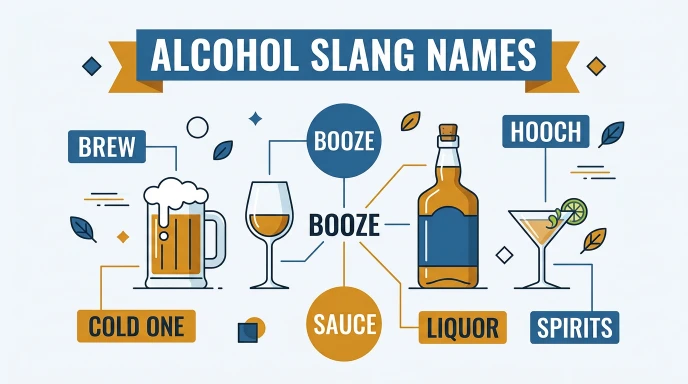
Here are some of the most common examples:
| Slang Name | Meaning |
| Booze | Alcohol in general |
| Hooch | Homemade or strong alcohol |
| Brew | Beer |
| Sauce | Alcoholic drinks |
| Liquor | Distilled alcoholic beverages |
| Spirits | Strong alcoholic drinks |
| Cold one | A cold beer |
| Drink | An alcoholic beverage (depending on context) |
| Nightcap | A drink before bed |
Is Alcohol Slang Offensive, Rude, or Neutral?
Most alcohol slang names are neutral and commonly used in casual conversations.
However, some terms may sound informal or outdated.
Neutral Examples
- Booze
- Brew
- Spirits
- Liquor
Informal Examples
- Sauce
- Hooch
These are best used with friends or in relaxed settings rather than professional environments.
Where Are Alcohol Slang Names Commonly Used?
Alcohol slang appears in many everyday situations.
Text Messages
“Bring some booze for the party.”
Social Media
“Weekend brews with friends.”
Movies
Characters often use slang like:
- Booze
- Hooch
- Liquor
Music
Many songs mention alcohol using informal nicknames.
Everyday Conversations
“Let’s grab a cold one after work.”
Real-Life Examples of Usage
Here are some natural examples.
Friendly
“Want to grab a brew after work?”
Casual
“We picked up some booze for the barbecue.”
Family
“They served wine and other spirits at dinner.”
Text Message
“Don’t forget the cold ones.”
Party
“Who’s bringing the drinks?”
Social Media
“Nothing beats a cold brew on a sunny afternoon.”
Origin and Background of Alcohol Slang
Many alcohol slang names have existed for decades or even centuries.
- Booze dates back hundreds of years and became a common English slang word for alcohol.
- Hooch became popular in North America and originally referred to homemade liquor.
- Brew comes from the brewing process used to make beer.
- Sauce became slang because alcohol was seen as something that “adds flavor” to social gatherings.
- Cold one became a popular nickname for chilled beer.
Movies, music, and pop culture have helped spread these expressions around the world.
Common Alcohol Slang Names
Below are some popular slang terms and what they mean.
Booze
The most common informal word for alcohol.
Example:
“There’s plenty of booze at the party.”
Brew
Usually refers to beer.
Example:
“Let’s have a brew after the game.”
Hooch
Strong or homemade alcohol.
Example:
“He made his own hooch.”
Sauce
A casual nickname for alcoholic drinks.
Example:
“He stayed away from the sauce this month.”
Spirits
Distilled alcoholic beverages like whiskey, vodka, or gin.
Example:
“The restaurant has a good selection of spirits.”
Cold One
A chilled beer.
Example:
“Who’s ready for a cold one?”
Comparison with Similar Slang
| Slang | Meaning | Common Use | Tone |
| Booze | Alcohol | General | Casual |
| Brew | Beer | Beer only | Friendly |
| Hooch | Strong alcohol | Informal | Casual |
| Sauce | Alcohol | General | Informal |
| Spirits | Distilled alcohol | Restaurants, bars | Neutral |
| Cold one | Cold beer | Friends | Casual |
When to Avoid Using Alcohol Slang Names
Although these expressions are common, avoid them in:
- Business emails
- School assignments
- Medical discussions
- Legal documents
- Professional presentations
In formal situations, use terms like:
- Alcohol
- Alcoholic beverage
- Beer
- Wine
- Spirits
These sound more professional and clear.
Polite Alternatives
If you want a formal or respectful tone, use standard English.
| Slang | Polite Alternative |
| Booze | Alcohol |
| Hooch | Homemade alcohol |
| Sauce | Alcoholic beverages |
| Brew | Beer |
| Cold one | Chilled beer |
Why People Use Alcohol Slang Names
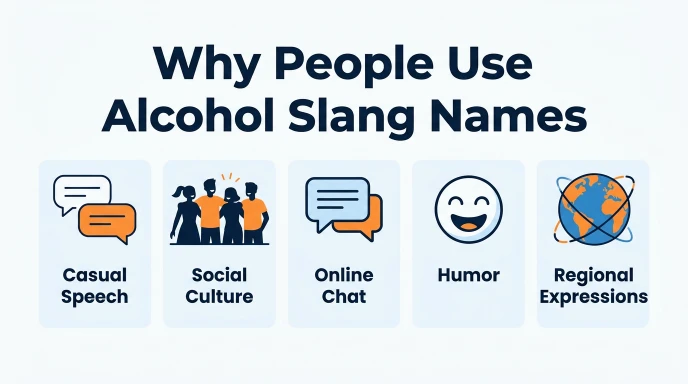
People use alcohol slang because it:
- Makes conversations more relaxed
- Sounds natural among friends
- Adds humor
- Reflects local culture
- Is shorter and easier to say
Many slang words also become popular through movies, television, and music.
Impact of Using Slang in Communication
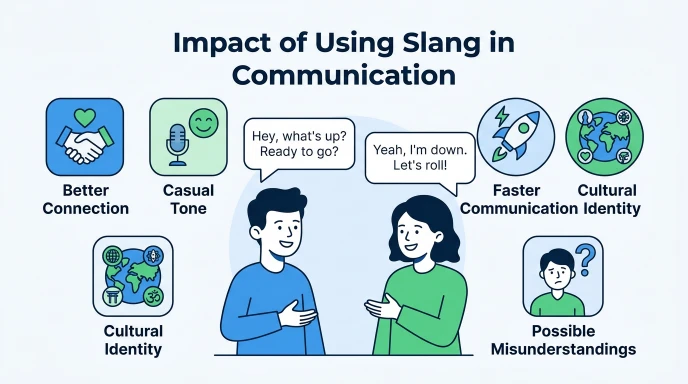
Using alcohol slang has both advantages and disadvantages.
Benefits
- Creates a casual tone
- Helps people relate to one another
- Reflects popular culture
- Makes conversations more engaging
Drawbacks
- May confuse non-native English speakers
- Can sound unprofessional in formal settings
- Some terms are regional and not universally understood
Always think about your audience before using slang.
Is It Safe for Social Media?
Yes.
Most alcohol slang names are acceptable on platforms like:
- TikTok
- X
- Snapchat
However, avoid promoting unsafe or excessive drinking. Use these terms responsibly and in appropriate contexts.
Examples in Different Contexts
Friendly
“Let’s grab a brew this weekend.”
Casual
“We bought some booze for the celebration.”
Argumentative
“Maybe you’ve had too much sauce tonight.”
Gaming Chat
“BRB, grabbing a cold one.”
Social Media
“Friday night brews with the crew.”
Movie Dialogue
“They hid the hooch in the garage.”
Comparison of Popular Alcohol Slang Names
| Slang Name | Meaning | Tone | Best Used |
| Booze | Alcohol | Casual | Friends |
| Brew | Beer | Friendly | Social events |
| Hooch | Homemade or strong alcohol | Informal | Casual conversation |
| Sauce | Alcohol | Casual | Informal speech |
| Spirits | Distilled alcohol | Neutral | Restaurants and bars |
| Cold one | Cold beer | Friendly | Everyday conversations |
FAQs
What are alcohol slang names?
Alcohol slang names are informal words people use instead of saying “alcohol” or “alcoholic drinks.”
What is the most common slang word for alcohol?
Booze is one of the most common and widely recognized slang terms for alcohol.
Does alcohol slang have a full form?
No. These are slang words, not abbreviations, so they have no full form.
Is “booze” considered offensive?
No. It is generally a neutral, informal word, but it is best avoided in formal or professional settings.
What does “brew” mean in slang?
In most cases, brew refers to beer, especially in casual conversations.
Can I use alcohol slang on social media?
Yes. Most alcohol slang names are commonly used online, but it’s best to avoid encouraging unsafe or excessive drinking.
Conclusion
Understanding alcohol slang names makes it easier to follow everyday conversations, social media posts, movies, and music where informal language is common. Popular terms like booze, brew, hooch, sauce, spirits, and cold one all refer to alcoholic drinks in different ways and contexts. While these expressions are generally friendly and widely understood, they are best suited for casual conversations rather than formal writing or professional settings. By learning their meanings and appropriate usage, you can communicate more naturally while choosing the right words for your audience and situation.
Read more about!
Climbing Slang: Essential Climbing Terms Explained Simply
Australian Slang for Dinner: Easy Guide with Real-Life Examples
STD Slang: Complete Meaning, Usage, and Examples

Hi, I’m Ryan Holden, a content writer with over 8 years of experience creating clear, engaging, and easy-to-understand content. I specialize in slang meanings, internet language, text abbreviations, and modern English expressions. My goal is to explain complex words in simple English with real-life examples so readers can quickly understand and use them correctly. I enjoy researching how language changes across social media, online communities, and everyday conversations, ensuring every article is accurate, helpful, and easy to read.